

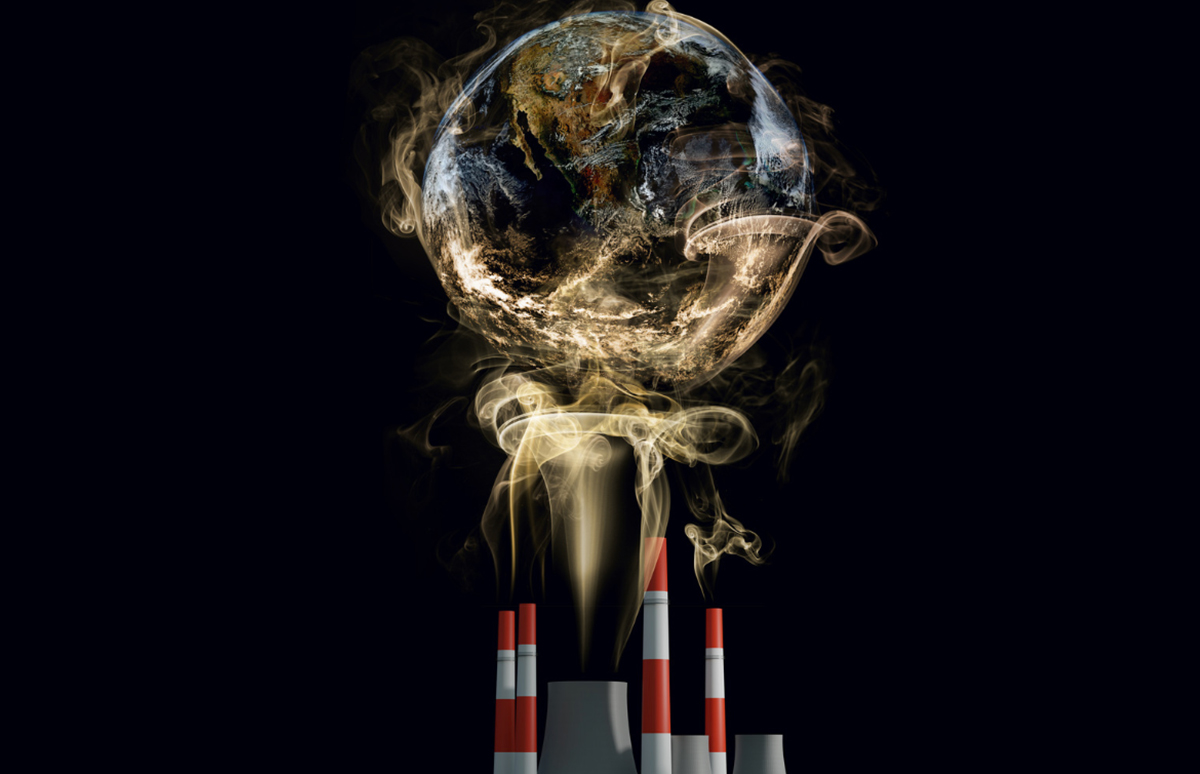
Reducing Dependence on Fossil Fuels: An Imperative for MENA Countries
Introduction:
The Middle East and North Africa (MENA) region has historically been recognized as a major player in the oil industry, accounting for a significant share of global fossil fuel production and exports. In fact, the MENA region is responsible for approximately 36% of global oil production and nearly 45% of global crude oil exports.
However, the challenges posed by climate change and the need for a global energy transition have prompted MENA countries to consider a significant reduction in their dependence on fossil fuels.
This article examines the reasons why these countries are undertaking this transition towards more sustainable and diversified energy sources.
I. Depletion of Oil Reserves and Increasing Energy Demand
Reducing dependence on fossil fuels is crucial. Oil reserves are limited, and global energy demand continues to increase significantly.
Indeed, petroleum resources are finite and non-renewable. According to estimates from the International Energy Agency (IEA), proven oil reserves in the MENA region currently stand at around 830 billion barrels. This represents approximately 48% of global oil reserves. However, it should be noted that these reserves are not inexhaustible and are declining as they are exploited.
At the same time, global energy demand is constantly growing, driven by urbanization, population growth, and economic development. According to the IEA's about 25% by 2040, primarily driven by emerging and developing economies. As major energy suppliers, MENA countries must be prepared to meet this growing demand while diversifying their energy mix to ensure long-term stability.
It is therefore imperative for MENA countries to reduce their dependence on fossil fuels and transition towards a sustainable energy and growth model.
II. Negative Consequences of Fossil Fuel Dependence
Excessive dependence on fossil fuels exposes MENA countries to various economic, environmental, and social challenges, highlighting the need for fundamental change:
- Environmental and climate risks: Intensive exploitation of fossil fuels contributes to global warming, which has devastating consequences for the MENA region. According to the Shift Project report, CO2 emissions from fossil fuels account for nearly 85% of the region's total emissions, thereby amplifying the risks of climate-related disasters such as droughts and rising sea levels.
- Pollution and environmental degradation: The extraction, production, and combustion of fossil fuels result in significant air, water, and soil pollution. Fossil fuel-related activities release toxic substances and air pollutants such as sulfur dioxide, nitrogen oxides, and fine particles, which have a detrimental impact on human health and the ecosystem. Moreover, oil extraction can lead to leaks and spills, causing environmental disasters and damage to fragile ecosystems such as coral reefs, wetlands, and natural habitats.
- Socio-economic imbalances: Oil resources, often controlled by a small number of actors, lead to wealth concentration in the hands of a few individuals or groups. This concentration exacerbates socio-economic inequalities, leaving a large portion of the population excluded from economic benefits and development opportunities. Excessive dependence on oil revenues also hinders economic diversification in MENA countries. Governments and economic actors are reluctant to invest in other sectors as oil often offers faster and larger profits. This creates economic vulnerability as oil price fluctuations can have a major impact on the economy and public finances.
III. Transition Initiatives in the MENA Region
MENA countries have taken concrete steps to reduce their dependence on fossil fuels and promote energy transition:
- Massive investments in renewable energy: The United Arab Emirates (UAE) has committed to an ambitious energy transition by launching the Masdar project, Abu Dhabi's future energy company. Masdar develops and invests in clean and renewable technologies, including solar energy, wind power, and water management. The goal is to create a sustainable economy and position the UAE as a global leader in clean energy.
- Economic diversification in Saudi Arabia: Saudi Arabia has launched the "Vision 2030" initiative to diversify its economy and reduce its dependence on oil revenues. As part of this initiative, the country has set ambitious targets for renewable energy.
- Large-scale solar and wind parks: Morocco is a notable example of the region's commitment to renewable energy. The country has inaugurated the Noor solar power plant in Ouarzazate, the world's largest concentrated solar power plant, which will cover an area of over 3,000 hectares and generate megawatts of electricity. Egypt has also invested in wind energy with the Gabal El Zayt wind farm, one of the largest wind power projects in Africa.
- Research and development: MENA countries are also investing in research and development of advanced energy technologies. They are establishing innovation and research centers dedicated to renewable energy and developing international partnerships to accelerate the adoption of sustainable energy solutions.
These energy transition initiatives demonstrate the commitment of MENA countries to reduce their dependence on fossil fuels and move towards a more sustainable future. By diversifying their energy sources and investing heavily in renewable energy, these countries are positioning themselves as key players in the fight against climate change and leaders in clean technology. These efforts not only contribute to environmental preservation but also to the creation of green jobs, the stimulation of innovation, and the building of a more resilient and inclusive economy for future generations.
Conclusion:
Reducing dependence on fossil fuels is now a crucial necessity for MENA countries. Energy transition represents a major opportunity for the MENA region to become a leader in clean energy and shape a more sustainable future for its residents and future generations.